
Ecommerce SEO Services: 10 Effective & Game-Changing Strategies for Online Success
In today’s competitive digital landscape, every online store dreams of ranking at the top of Google’s search results. However, getting there isn’t just about great products or eye-catching designs — it’s about visibility. That’s where ecommerce SEO services come in. These services are the backbone of sustainable online growth, helping businesses attract more organic traffic, boost conversions, and increase sales without relying heavily on paid ads.
In this comprehensive guide, we’ll explore everything you need to know about ecommerce SEO services, including how they work, why they’re essential, and how to choose the best one for your online store.
What Are Ecommerce SEO Services?
Ecommerce SEO services are specialized digital marketing strategies designed to optimize online stores for search engines like Google, Bing, and Yahoo. Unlike standard SEO, ecommerce SEO focuses on improving the visibility of product pages, category pages, and conversion paths.
These services help your products appear when customers search for related items, ensuring your store attracts qualified leads who are ready to buy. The primary goal is to improve organic rankings, traffic, and sales performance through carefully structured optimization.
Some key components of ecommerce SEO include:
- Keyword research focused on buyer intent.
- On-page optimization for product and category pages.
- Technical SEO improvements for better site performance.
- Content marketing to attract and engage users.
- Link building to improve domain authority.
Why Ecommerce SEO Services Are Essential
1. Improved Organic Visibility
With thousands of ecommerce sites competing for attention, organic search is a key driver of traffic. Professional ecommerce SEO services ensure that your store appears at the top of search results for high-intent keywords like “buy running shoes online” or “best skincare products.”
2. Long-Term Cost Efficiency
Unlike paid advertising, where traffic stops the moment your campaign ends, SEO builds sustainable visibility. Once your pages rank well, you continue attracting visitors without recurring ad costs.
3. Better User Experience
SEO isn’t just about pleasing search engines — it’s also about enhancing user experience. Optimized product descriptions, faster page loads, and mobile-friendly designs improve both ranking and customer satisfaction.
4. Higher Conversion Rates
Ecommerce SEO targets users who are actively searching for your products. This means higher-quality traffic that converts better compared to general marketing campaigns.
5. Brand Credibility and Authority
Ranking high on Google builds trust. Customers tend to view top-ranking ecommerce websites as more credible and reliable.
Key Elements of Effective Ecommerce SEO Services
Let’s break down the crucial components that make ecommerce SEO effective.
1. Keyword Research and Mapping
Keyword research forms the foundation of all ecommerce SEO services. It involves identifying the exact phrases your potential customers use when searching for products.
There are generally three types of keywords used in ecommerce SEO:
- Informational Keywords: e.g., “how to choose running shoes”
- Transactional Keywords: e.g., “buy running shoes online”
- Navigational Keywords: e.g., “Nike running shoes official site”
Professional SEO experts map these keywords strategically across your site’s pages to ensure each page targets the right audience.
2. On-Page Optimization
On-page optimization focuses on improving individual pages to make them more search-friendly. It includes:
- Writing keyword-rich product titles and descriptions.
- Optimizing meta tags, URLs, and headers (H1-H3).
- Adding alt text for product images.
- Ensuring internal linking between related products and categories.
For example, a product page selling “women’s leather handbags” should include variations like “luxury leather bags for women” or “stylish handbags online.”
3. Technical SEO
Technical SEO ensures your website can be easily crawled and indexed by search engines. This includes:
- Fast loading speed.
- Mobile responsiveness.
- Secure HTTPS protocol.
- Structured data (Schema markup).
- XML sitemaps and robots.txt optimization.
A professional ecommerce SEO service provider will run regular audits to identify and fix technical issues that could harm rankings.
4. Content Marketing for Ecommerce
Content is the heart of modern SEO. Ecommerce businesses benefit from publishing blogs, buying guides, FAQs, and videos that help users make purchasing decisions.
Example content ideas include:
- “Top 10 Fitness Shoes for Women in 2025”
- “How to Choose the Perfect Laptop for Work and Gaming”
These content pieces not only attract visitors but also help you target long-tail keywords that convert.
5. Link Building
Building high-quality backlinks from reputable sites signals authority to search engines. Ecommerce link building often includes:
- Guest blogging.
- Influencer collaborations.
- Product reviews on third-party sites.
- Digital PR campaigns.
A well-rounded ecommerce SEO service will focus on ethical, white-hat link-building methods to strengthen your domain authority over time.
6. Local SEO Optimization
If your ecommerce business also operates physical stores, local SEO ensures nearby shoppers find you online. This involves:
- Optimizing Google Business Profile.
- Adding location-based keywords (e.g., “buy shoes online in Dhaka”).
- Managing reviews and local citations.
7. Conversion Rate Optimization (CRO)
Good SEO brings traffic, but great ecommerce SEO services turn visitors into buyers. CRO techniques help improve conversion rates by testing different layouts, CTAs, and visuals to see what performs best.
For instance, adding trust signals like “Secure Checkout” or “Free Returns” can significantly improve conversion rates.
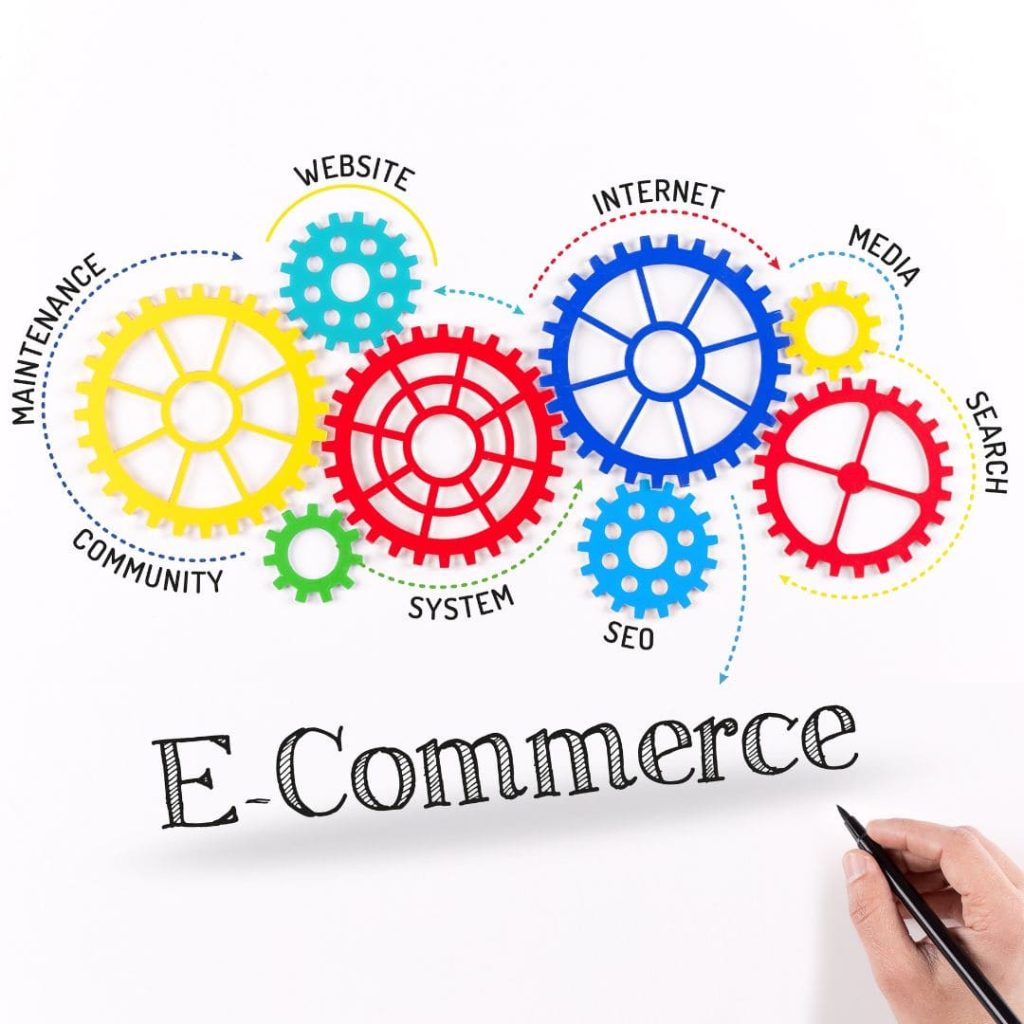
How Ecommerce SEO Services Work: Step-by-Step Process
Professional agencies follow a structured workflow to maximize ROI from ecommerce SEO campaigns:
Step 1: Site Audit
A complete audit is conducted to identify technical errors, broken links, duplicate content, and indexing problems.
Step 2: Keyword and Competitor Analysis
SEO experts analyze competitors and find the best-performing keywords in your niche.
Step 3: On-Page Implementation
They optimize titles, descriptions, URLs, and product pages to align with search intent.
Step 4: Content Development
Regular blogs, guides, and video content are created to attract traffic and build topical authority.
Step 5: Technical Fixes
Website structure, speed, and mobile optimization are handled to ensure smooth crawling and indexing.
Step 6: Link Building & Outreach
Quality backlinks are earned through partnerships, guest posts, and influencer marketing.
Step 7: Continuous Monitoring & Reporting
Performance metrics like traffic, keyword rankings, and sales are tracked and reported monthly to measure progress.
Benefits of Hiring Professional Ecommerce SEO Services
Here’s why outsourcing your SEO can be a game-changer:
- Expertise and Tools: SEO professionals have access to tools like Ahrefs, SEMrush, and Screaming Frog for deep insights.
- Time Efficiency: Managing SEO in-house can be time-consuming — professionals handle it while you focus on sales.
- Consistent Updates: SEO algorithms change often. Agencies stay updated to keep your rankings stable.
- Scalable Results: As your ecommerce business grows, SEO strategies can expand accordingly.
Common Mistakes to Avoid in Ecommerce SEO
Even the best ecommerce stores make SEO mistakes that limit their growth. Some of these include:
- Duplicate Product Descriptions: Copying manufacturer text hurts rankings.
- Ignoring Mobile Optimization: Most ecommerce traffic comes from mobile devices.
- Neglecting Site Speed: Slow websites lead to higher bounce rates.
- Not Using Structured Data: Schema helps search engines understand your products.
- Weak Internal Linking: Proper linking helps distribute link equity across your store.
By hiring professional ecommerce SEO services, you can avoid these pitfalls and focus on consistent growth.

Ecommerce SEO vs. Traditional SEO
While both share similar fundamentals, ecommerce SEO services are more product-focused. Traditional SEO targets informational searches and brand visibility, whereas ecommerce SEO aims directly at sales and conversions.
| Factor | Traditional SEO | Ecommerce SEO |
| Focus | Blogs, websites, portfolios | Product & category pages |
| Goal | Traffic & brand awareness | Sales & conversions |
| Content | Informational | Transactional |
| Keywords | General | Buyer intent keywords |
| Tracking Metrics | Impressions & clicks | Revenue, conversions, ROI |
Choosing the Right Ecommerce SEO Service Provider
With so many agencies out there, choosing the right partner for your ecommerce store is crucial. Here’s what to look for:
- Experience with Ecommerce Platforms: Ensure the agency specializes in platforms like Shopify, WooCommerce, Magento, or BigCommerce.
- Proven Track Record: Check client testimonials, case studies, and portfolio results.
- Transparent Reporting: The agency should provide monthly SEO performance reports.
- Custom Strategy: Avoid one-size-fits-all solutions. A good agency tailors SEO strategies to your niche and audience.
- White-Hat Practices: Stay away from agencies that use black-hat tactics that can result in Google penalties.
Measuring the Success of Ecommerce SEO Services
To ensure your investment pays off, track these KPIs regularly:
- Organic Traffic Growth
- Keyword Ranking Improvements
- Click-Through Rates (CTR)
- Bounce Rate and Session Duration
- Conversion Rate and Sales Metrics
- Return on Investment (ROI)
SEO is a long-term process — but with consistent effort and expert guidance, results can compound over time.
Future Trends in Ecommerce SEO
The world of ecommerce SEO is evolving rapidly. Here are a few trends shaping its future:
- Voice Search Optimization: As voice assistants grow, optimizing for natural, conversational queries is key.
- AI-Powered SEO Tools: Artificial intelligence helps predict trends and automate keyword research.
- Video SEO: Product videos optimized for search boost engagement and conversions.
- Visual Search: Platforms like Google Lens are transforming how users find products.
- Sustainability-Focused Keywords: Shoppers increasingly search for eco-friendly and ethical brands.
Businesses that adopt these innovations early will stay ahead of competitors.
Conclusion
In the digital age, visibility equals profitability. Without effective ecommerce SEO services, even the best products can remain unseen. Investing in professional SEO ensures your store attracts targeted traffic, achieves sustainable growth, and stands out in a crowded marketplace.
From keyword optimization and technical audits to link building and content marketing, ecommerce SEO is the ultimate growth engine for online stores. Whether you’re a small startup or a large-scale retailer, the right SEO strategy can turn browsers into buyers and help your brand dominate search results.
FAQs
What are ecommerce SEO services?
Ecommerce SEO services are strategies designed to optimize online stores for search engines, improving visibility, traffic, and sales.
How long does it take to see results from ecommerce SEO?
Typically, noticeable improvements take around 3–6 months, depending on competition and website quality.
Are ecommerce SEO services expensive?
Costs vary based on project scope, but they are generally more affordable than ongoing paid ads and deliver long-term benefits.
Can ecommerce SEO help increase sales?
Yes, by attracting targeted traffic with high purchase intent, ecommerce SEO can significantly boost conversions and sales.
Which ecommerce platforms benefit most from SEO?
Platforms like Shopify, WooCommerce, Magento, and BigCommerce are highly SEO-friendly when optimized properly.