
How to Use Google Search Console to Improve SEO: 21 Proven Positive Power Strategies
Google Search Console is one of the most powerful free tools available for website owners, bloggers, and SEO professionals. Yet many people either don’t use it fully or don’t understand how to use Google Search Console to improve SEO in a structured, results-driven way. This in-depth guide will show you exactly how to use Google Search Console to improve SEO step by step, even if you are a beginner.
By the end of this article, you will clearly understand how to use Google Search Console to improve SEO for rankings, traffic, indexing, technical health, and long-term growth. Every section is practical, actionable, and based on real SEO workflows.
What Google Search Console Is and Why It Matters for SEO
Before learning how to use Google Search Console to improve SEO, you need to understand what it actually does. Google Search Console (GSC) is a free tool from Google that helps you monitor, maintain, and troubleshoot your site’s presence in Google Search results.
It shows how Google sees your website. This includes how your pages are indexed, which keywords bring traffic, what errors exist, and where SEO improvements are needed.
If you are serious about SEO, learning how to use Google Search Console to improve SEO is not optional. It is essential.
How Google Search Console Fits Into Modern SEO
SEO today is not about guessing. It is about data-driven decisions. Google Search Console provides first-party data directly from Google, which makes it more reliable than many third-party tools.
When you understand how to use Google Search Console to improve SEO, you can:
- Identify ranking opportunities
- Fix technical SEO problems
- Improve click-through rate (CTR)
- Monitor indexing and coverage
- Measure real SEO performance
How to Set Up Google Search Console Correctly
To learn how to use Google Search Console to improve SEO, you must first set it up correctly.
Adding Your Website to Google Search Console
Go to Google Search Console and add your website. You will be asked to choose between two property types:
- Domain property (recommended)
- URL prefix property
Domain property tracks all subdomains and protocols, which is ideal for long-term SEO.
Verifying Website Ownership
Verification is required before you can access data. Common verification methods include:
- DNS record verification
- HTML file upload
- HTML meta tag
- Google Analytics
- Google Tag Manager
Once verified, Google will start collecting data. This is the foundation for learning how to use Google Search Console to improve SEO effectively.
Understanding the Google Search Console Dashboard
The dashboard can feel overwhelming at first. But understanding it is a key step in mastering how to use Google Search Console to improve SEO.
Overview Report
The Overview report gives a quick snapshot of:
- Performance
- Indexing
- Experience
- Enhancements
This high-level view helps you quickly spot SEO issues or opportunities.
Navigation Menu Explained
The left-hand menu contains all major reports. Each report plays a role in how to use Google Search Console to improve SEO, from keyword optimization to technical fixes.
How to Use the Performance Report to Improve SEO
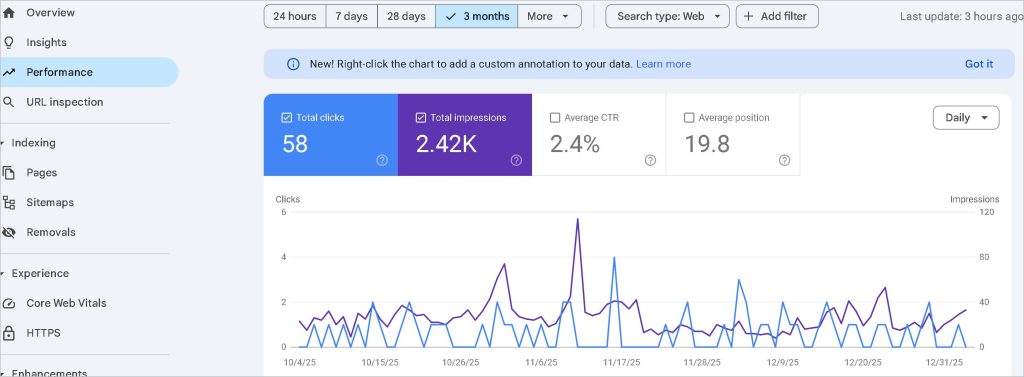
The Performance report is the most important area when learning how to use Google Search Console to improve SEO.
Search Results Performance
This report shows:
- Total clicks
- Total impressions
- Average CTR
- Average position
These metrics reveal how your pages perform in real Google searches.
Finding High-Impact Keywords
To use Google Search Console to improve SEO, focus on keywords with:
- High impressions
- Low CTR
- Average position between 5 and 20
These keywords are close to ranking higher and can deliver quick wins.
Improving Click-Through Rate (CTR)
Low CTR means people see your page but don’t click. You can improve this by:
- Writing better titles
- Optimizing meta descriptions
- Matching search intent
CTR optimization is one of the fastest ways to use Google Search Console to improve SEO without building links.
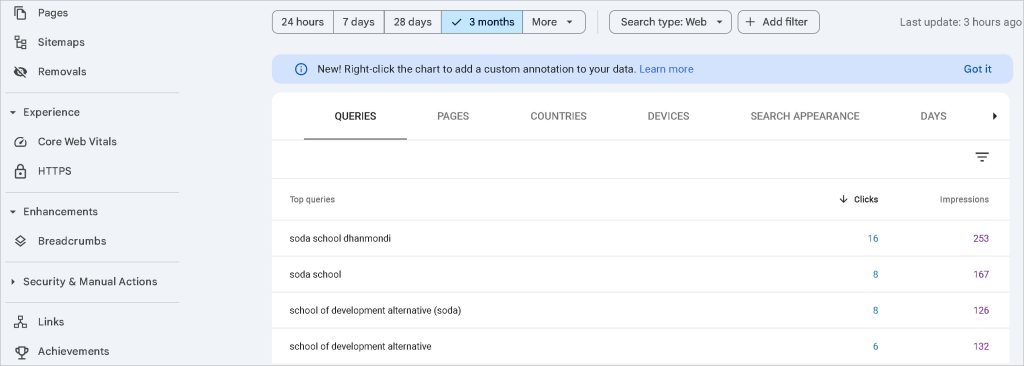
How to Use Queries Data for Keyword Optimization
Queries show exactly what users type into Google before clicking your site.
Identifying New Keyword Opportunities
Many websites rank for keywords they never intentionally targeted. When you learn how to use Google Search Console to improve SEO, you can find these hidden keywords and optimize content around them.
Expanding Existing Content
If a page ranks for multiple related queries, expand the content to fully answer those queries. This improves relevance and rankings.
How to Use Pages Report to Improve SEO Performance
The Pages tab shows which pages get traffic and impressions.
Identifying Top-Performing Pages
These pages deserve special attention. Update them regularly, improve internal links, and keep content fresh.
Fixing Underperforming Pages
Pages with impressions but few clicks indicate SEO potential. Improving titles, content depth, and user experience helps you use Google Search Console to improve SEO efficiently.
How to Use the Indexing Report to Fix SEO Issues
Indexing is critical. If Google cannot index your page, it cannot rank.
Understanding Index Coverage Status
Common statuses include:
- Indexed
- Crawled – currently not indexed
- Discovered – currently not indexed
- Excluded
Understanding these helps you diagnose SEO problems.
Fixing Indexing Errors
To use Google Search Console to improve SEO, fix issues like:
- Noindex tags
- Canonical errors
- Redirect problems
- Server errors
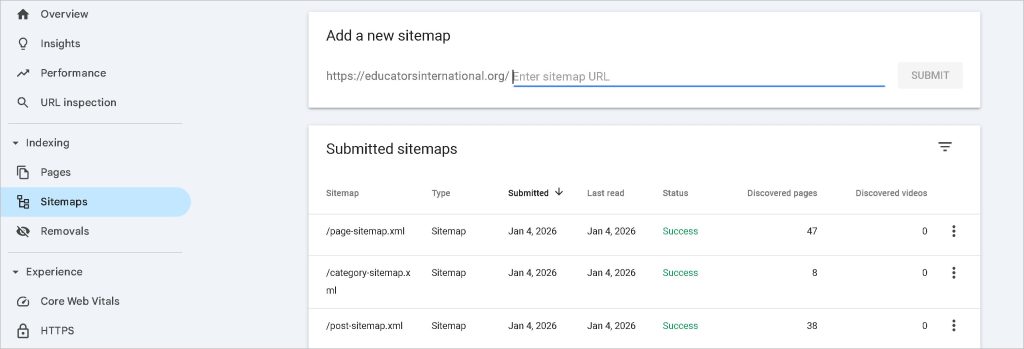
How to Submit and Optimize Sitemaps
Sitemaps help Google discover your content.
Submitting a Sitemap
Submit your XML sitemap in the Sitemaps section. This speeds up indexing and supports better SEO performance.
Monitoring Sitemap Health
Check for errors regularly. Sitemap errors can block Google from crawling important pages.
How to Use URL Inspection Tool for SEO Improvements
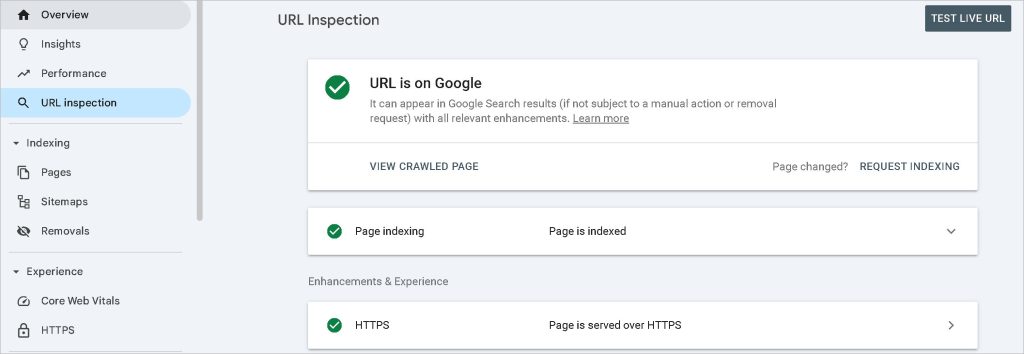
The URL Inspection tool shows how Google sees a specific page.
Checking Index Status
You can see whether a page is indexed and when it was last crawled.
Requesting Indexing
After updating content, request indexing. This is a powerful tactic when learning how to use Google Search Console to improve SEO quickly.
How to Use Core Web Vitals to Improve SEO
User experience is a ranking factor.
Understanding Core Web Vitals Metrics
Key metrics include:
- LCP (Largest Contentful Paint)
- INP (Interaction to Next Paint)
- CLS (Cumulative Layout Shift)
Fixing Page Experience Issues
Improving page speed and usability directly supports how to use Google Search Console to improve SEO in competitive niches.
How to Use Mobile Usability Reports
Most searches are mobile-first.
Identifying Mobile Issues
Common problems include:
- Text too small
- Clickable elements too close
- Content wider than screen
Fixing these issues helps improve rankings and user satisfaction.
How to Use Links Report for SEO Strategy
Links remain important for SEO.
Internal Links Analysis
Internal linking improves crawlability and authority flow. Google Search Console shows which pages receive the most internal links.
External Links Monitoring
You can see which sites link to you and which pages attract backlinks.
How to Use Google Search Console for Content Optimization
Content optimization is a core part of how to use Google Search Console to improve SEO.
Refreshing Old Content
Update outdated information, add new sections, and improve readability.
Matching Search Intent
Analyze queries to ensure your content matches what users actually want.
How to Use Google Search Console for Technical SEO
Technical SEO issues can silently hurt rankings.
Identifying Crawl Errors
Crawl errors prevent Google from accessing your pages.
Fixing HTTPS and Security Issues
Security warnings can destroy SEO performance. Google Search Console alerts you early.
How to Track SEO Progress Over Time
SEO is a long-term game.
Comparing Date Ranges
Use date comparisons to measure improvements after SEO changes.
Setting Performance Benchmarks
Track impressions, clicks, and average position to evaluate growth.
How to Combine Google Search Console With Other SEO Tools
While powerful, Google Search Console works best with other tools.
Google Analytics Integration
Analytics shows behavior after the click. Together, they provide a complete SEO picture.
Keyword and Content Tools
Use third-party tools for keyword research, then validate performance in Google Search Console.
Common Mistakes When Using Google Search Console for SEO
Many people misunderstand how to use Google Search Console to improve SEO.
Ignoring Low-CTR Pages
CTR optimization is often overlooked but highly effective.
Only Checking Data Occasionally
Regular monitoring leads to faster SEO improvements.
Advanced Tips for Using Google Search Console to Improve SEO
Finding Cannibalization Issues
Multiple pages ranking for the same keyword can hurt performance.
Optimizing for Featured Snippets
Analyze queries that trigger snippets and optimize content accordingly.
Frequently Asked Questions (FAQ)
Q1. What is the main purpose of Google Search Console?
Ans: Google Search Console helps website owners monitor search performance, indexing status, and SEO issues directly from Google.
Q2. How often should I check Google Search Console?
Ans: For active SEO work, checking it weekly is ideal. Large sites may need daily monitoring.
Q3. Can Google Search Console improve rankings by itself?
Ans: Google Search Console does not directly improve rankings, but it shows exactly how to use Google Search Console to improve SEO through informed actions.
Q4. Google Search Console enough for SEO?
Ans: It is essential but works best when combined with content, technical SEO, and link-building strategies.
Q5. How long does it take to see SEO improvements?
Ans: Most improvements take weeks to months, depending on competition and changes made.
Final Thoughts on How to Use Google Search Console to Improve SEO
Learning how to use Google Search Console to improve SEO is one of the highest-ROI skills in digital marketing. It provides real data, real insights, and real opportunities.
When used consistently, Google Search Console becomes your SEO control center. By applying the strategies in this guide, you can improve rankings, increase traffic, and build a stronger, more resilient website over time.