How to Use Google Analytics for SEO: 21 Powerful and Positive Strategies That Actually Work
Search engine optimization is no longer about guesswork. Data-driven decisions are what separate websites that grow consistently from those that stagnate. That is exactly where how to use Google Analytics for SEO becomes critically important. When used correctly, Google Analytics transforms raw website traffic into actionable SEO insights that help you rank higher, attract qualified visitors, and improve conversions.
This comprehensive guide explains how to use Google Analytics for SEO step by step, from basic setup to advanced analysis. Whether you are a beginner or an experienced marketer, this article will show you how to extract real SEO value from Google Analytics and turn numbers into growth.
Understanding the Relationship Between Google Analytics and SEO
Before diving into techniques, it is essential to understand why how to use Google Analytics for SEO matters so much.
Google Analytics does not directly improve rankings. Instead, it provides performance data that allows you to identify strengths, weaknesses, and opportunities in your SEO strategy. When you know which pages attract organic traffic, how users behave, and where they drop off, you can optimize content more intelligently.
SEO is about relevance, experience, and performance. Google Analytics gives you visibility into all three.
Setting Up Google Analytics Correctly for SEO Tracking
Proper setup is the foundation of learning how to use Google Analytics for SEO effectively.
Creating a Google Analytics Account
To begin, create a Google Analytics account and add your website as a property. Use Google Analytics 4 (GA4), as Universal Analytics is no longer supported.
Ensure that:
- Your tracking code is installed on all pages
- Data collection starts immediately
- Time zone and currency are set correctly
A faulty setup leads to misleading SEO insights.
Connecting Google Analytics with Google Search Console
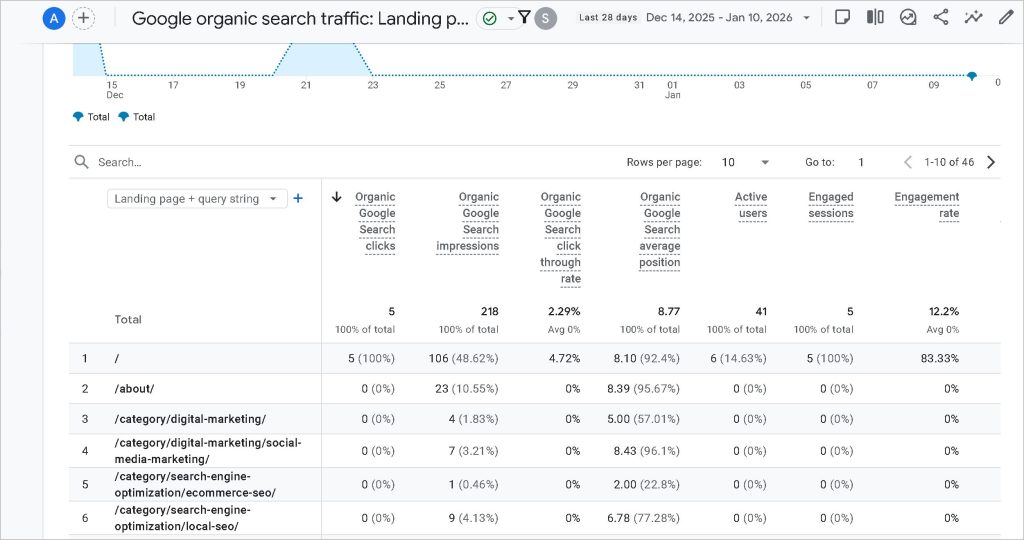
One of the most important steps in how to use Google Analytics for SEO is linking Google Search Console.
This integration allows you to:
- View organic search queries
- Analyze landing page performance
- Understand impressions and click-through rates
Without this connection, your SEO data remains incomplete.
Read More : How to Use Google Search Console to Improve SEO
Understanding Organic Traffic in Google Analytics
Organic traffic is the backbone of SEO analysis. Learning how to use Google Analytics for SEO begins with knowing where your organic visitors come from.
Finding Organic Traffic Reports
In GA4, navigate to:
- Reports
- Acquisition
- Traffic acquisition
Filter the session source/medium to show “google / organic” or all organic traffic.
This view shows how well your SEO efforts are performing over time.
Monitoring Organic Traffic Trends
Tracking trends helps you measure progress. When learning how to use Google Analytics for SEO, focus on:
- Traffic growth or decline
- Seasonal patterns
- Sudden drops after algorithm updates
Consistent monitoring helps you respond before rankings suffer.
Analyzing Landing Pages for SEO Performance
Landing pages reveal how search engines and users interact with your content.
Identifying Top Organic Landing Pages
Go to:
- Reports
- Engagement
- Pages and screens
Filter by organic traffic. These pages are your SEO assets.
Understanding how to use Google Analytics for SEO means knowing which pages:
- Attract the most organic visits
- Convert best
- Need optimization
Optimizing Low-Performing Pages
Pages with impressions but low engagement signal SEO issues. Use Google Analytics to identify:
- High bounce rates
- Low average engagement time
- Poor conversion rates
Improving content quality, internal linking, and page experience can significantly boost rankings.
Read More: How to Use Google Trends for SEO
Using User Behavior Metrics for SEO Insights
User behavior metrics are essential when mastering how to use Google Analytics for SEO.
Bounce Rate and Engagement Time
High bounce rates may indicate:
- Poor content relevance
- Slow page speed
- Misleading titles or meta descriptions
Engagement time helps you understand content quality. Pages that keep users longer tend to perform better in search.
Pages Per Session and Scroll Depth
More pages per session often mean better internal linking and user satisfaction. Scroll depth tracking shows whether users actually consume your content.
Understanding these metrics helps refine SEO content strategies.
Read More: How Quickly Does SEO Work
Tracking SEO Conversions in Google Analytics
SEO success is not just traffic—it is results.
Setting Up Conversions for SEO Goals
In GA4, define conversions such as:
- Form submissions
- Newsletter sign-ups
- Product purchases
Learning how to use Google Analytics for SEO requires tracking which organic pages drive meaningful actions.
Measuring SEO ROI
When you know which keywords and pages generate conversions, you can:
- Focus on profitable content
- Eliminate low-impact topics
- Justify SEO investments
Google Analytics turns SEO from theory into measurable business impact.
Read More: How Long Does SEO Take to Work
Keyword Performance Analysis Using Google Analytics
Although Google Analytics does not show all keywords directly, it still plays a major role in keyword analysis.
Using Search Console Data Inside Analytics
Connected Search Console data reveals:
- Queries driving traffic
- Click-through rates
- Average position
This is crucial for understanding how to use Google Analytics for SEO beyond surface-level metrics.
Identifying Keyword Opportunities
Look for queries with:
- High impressions
- Low clicks
- Average positions between 8–20
Optimizing these pages can lead to quick ranking improvements.
Content Optimization Using Google Analytics Data
Content is the heart of SEO.
Finding Content Gaps
Google Analytics helps you identify:
- Pages with traffic but low engagement
- Topics users exit from frequently
- Content that fails to convert
When you understand how to use Google Analytics for SEO, content updates become strategic rather than random.
Updating and Repurposing Content
Use data to:
- Expand popular posts
- Improve outdated articles
- Merge overlapping content
Analytics-driven content optimization improves rankings and user satisfaction.
Using Site Speed Reports for SEO Improvement
Page speed is a confirmed ranking factor.
Analyzing Page Load Times
In GA4, site speed insights are available through integrations and events. Slow pages often have:
- Higher bounce rates
- Lower conversions
- Weaker rankings
Understanding how to use Google Analytics for SEO includes prioritizing speed optimization.
Improving Core Web Vitals
Use speed insights to:
- Optimize images
- Reduce scripts
- Improve server response times
Better performance leads to stronger SEO results.
Mobile SEO Analysis with Google Analytics
Mobile-first indexing makes mobile SEO critical.
Comparing Mobile vs Desktop Performance
Segment traffic by device category. Analyze:
- Engagement rates
- Conversion performance
- Bounce rates
Learning how to use Google Analytics for SEO means ensuring mobile users have an excellent experience.
Identifying Mobile UX Issues
Poor mobile performance may indicate:
- Unresponsive design
- Slow load times
- Hard-to-read content
Fixing these issues improves rankings and usability.
Using Audience Data to Improve SEO Strategy
Audience insights help refine targeting.
Analyzing Demographics and Interests
Understand who your organic visitors are:
- Age groups
- Locations
- Interests
This helps align content with user intent, a core part of how to use Google Analytics for SEO effectively.
Returning vs New Users
High returning user rates often signal strong content authority. New users indicate growth and visibility.
Balancing both improves long-term SEO success.
Tracking SEO Performance by Location
Local and international SEO require geographic insights.
Country and City Reports
Analyze organic traffic by location to:
- Optimize local pages
- Identify international growth opportunities
- Tailor content to regional needs
Understanding how to use Google Analytics for SEO at a geographic level improves relevance.
Using Custom Reports and Explorations for SEO
Custom reports elevate your SEO analysis.
Creating SEO-Focused Reports
Build reports that include:
- Organic sessions
- Engagement time
- Conversions
- Landing pages
These reports streamline SEO monitoring.
Using Explorations for Deeper Insights
GA4 Explorations allow advanced analysis like:
- Funnel exploration
- Path analysis
- Segment overlap
These tools unlock advanced ways to apply how to use Google Analytics for SEO.
Identifying SEO Issues Through Traffic Drops
Traffic drops can signal serious problems.
Detecting Algorithm Impact
Sudden organic traffic declines may indicate:
- Google updates
- Technical SEO issues
- Content penalties
Google Analytics helps pinpoint when and where problems occur.
Taking Corrective Action
By identifying affected pages, you can:
- Improve content quality
- Fix technical errors
- Strengthen internal links
Data-driven recovery is a key aspect of how to use Google Analytics for SEO.
Measuring Content Authority and Topical Strength
SEO success depends on authority.
Identifying Content Clusters
Google Analytics helps you see which topic groups perform best. Strengthening internal links between related pages improves topical authority.
Monitoring Long-Term Content Performance
SEO is a long game. Track how content performs over months, not days.
Understanding how to use Google Analytics for SEO requires patience and consistency.
Using Google Analytics for Competitive SEO Insights
While Analytics does not show competitors directly, it helps you benchmark internally.
Benchmarking Content Performance
Compare pages within your site to identify:
- Top performers
- Underperformers
- Growth potential
Internal competition analysis improves strategic focus.
Aligning Google Analytics Insights with SEO Strategy
Data without action is useless.
Turning Insights into SEO Actions
Use Analytics data to:
- Update keywords
- Improve internal linking
- Enhance user experience
This is the practical side of how to use Google Analytics for SEO.
Creating an SEO Optimization Workflow
Build a routine:
- Weekly performance checks
- Monthly content reviews
- Quarterly strategy updates
Consistency ensures long-term SEO growth.
Common Mistakes When Using Google Analytics for SEO
Avoid these pitfalls:
- Ignoring organic segmentation
- Focusing only on traffic, not conversions
- Misinterpreting bounce rates
- Not connecting Search Console
Understanding how to use Google Analytics for SEO includes knowing what not to do.
Read More: How to Measure SEO in Google Analytics
Future-Proofing SEO with Google Analytics
SEO evolves constantly.
Adapting to GA4 Changes
GA4 focuses on events and engagement. Learning how to use Google Analytics for SEO in GA4 ensures future readiness.
Combining Analytics with Other SEO Tools
Use Google Analytics alongside:
- Search Console
- Keyword research tools
- Technical SEO audits
Integration strengthens your overall SEO strategy.
Frequently Asked Questions (FAQ)
What is the main purpose of using Google Analytics for SEO?
The main purpose of how to use Google Analytics for SEO is to understand organic traffic behavior, measure content performance, and make data-driven optimization decisions that improve rankings and conversions.
Can Google Analytics help with keyword research?
Google Analytics supports keyword analysis when connected with Google Search Console. It helps identify queries that drive traffic and uncover optimization opportunities.
Is Google Analytics enough for SEO?
Google Analytics is essential but not sufficient alone. It works best when combined with tools like Google Search Console and technical SEO platforms.
How often should I check SEO data in Google Analytics?
Weekly monitoring is ideal for spotting trends, while monthly and quarterly reviews help refine long-term SEO strategies.
Does Google Analytics directly affect rankings?
No, Google Analytics does not influence rankings directly. However, learning how to use Google Analytics for SEO allows you to optimize factors that search engines value.
Final Thoughts
Mastering how to use Google Analytics for SEO is one of the most valuable skills in modern digital marketing. It empowers you to move beyond assumptions and base your SEO decisions on real user data. From traffic analysis and content optimization to conversions and performance tracking, Google Analytics provides the clarity needed to grow sustainably.
When used consistently and strategically, Google Analytics becomes more than a reporting tool—it becomes the engine that drives smarter, stronger, and more profitable SEO.